
GHB Detox: Addiction, Withdrawal, & Rehab Treatment

Medical Providers:
Dr. Michael Vines, MD
Alex Spritzer, FNP, CARN-AP, PMHNP
Clinical Providers:
Natalie Foster, LPC-S, MS
Last Updated: February 21, 2025

GHB (Gamma-Hydroxybutyrate) is a powerful central nervous system depressant that can quickly lead to addiction. While some people use it legally for medical purposes, many misuse it recreationally, often without realizing how addictive it can be.

Detoxing from GHB isn’t just uncomfortable—it can be dangerous. Withdrawal symptoms range from mild anxiety and restlessness to severe complications like life-threatening seizures. Quitting on your own can put your health at serious risk. That’s why finding a safe and supportive detox program is so important.

If you or someone you care about is struggling with GHB addiction, understanding the detox process and choosing the right treatment center can make all the difference in a successful recovery.


Our Addiction Treatment Center

Hope is here. Begin your recovery with a simple call.

What is GHB?

GHB (Gamma-Hydroxybutyrate) is a central nervous system depressant that slows down brain activity, creating feelings of relaxation, drowsiness, and even euphoria. While it has legitimate medical uses—such as treating narcolepsy—it is also widely abused as a party drug. Many people don’t realize how addictive GHB can be until they find themselves dependent on it.

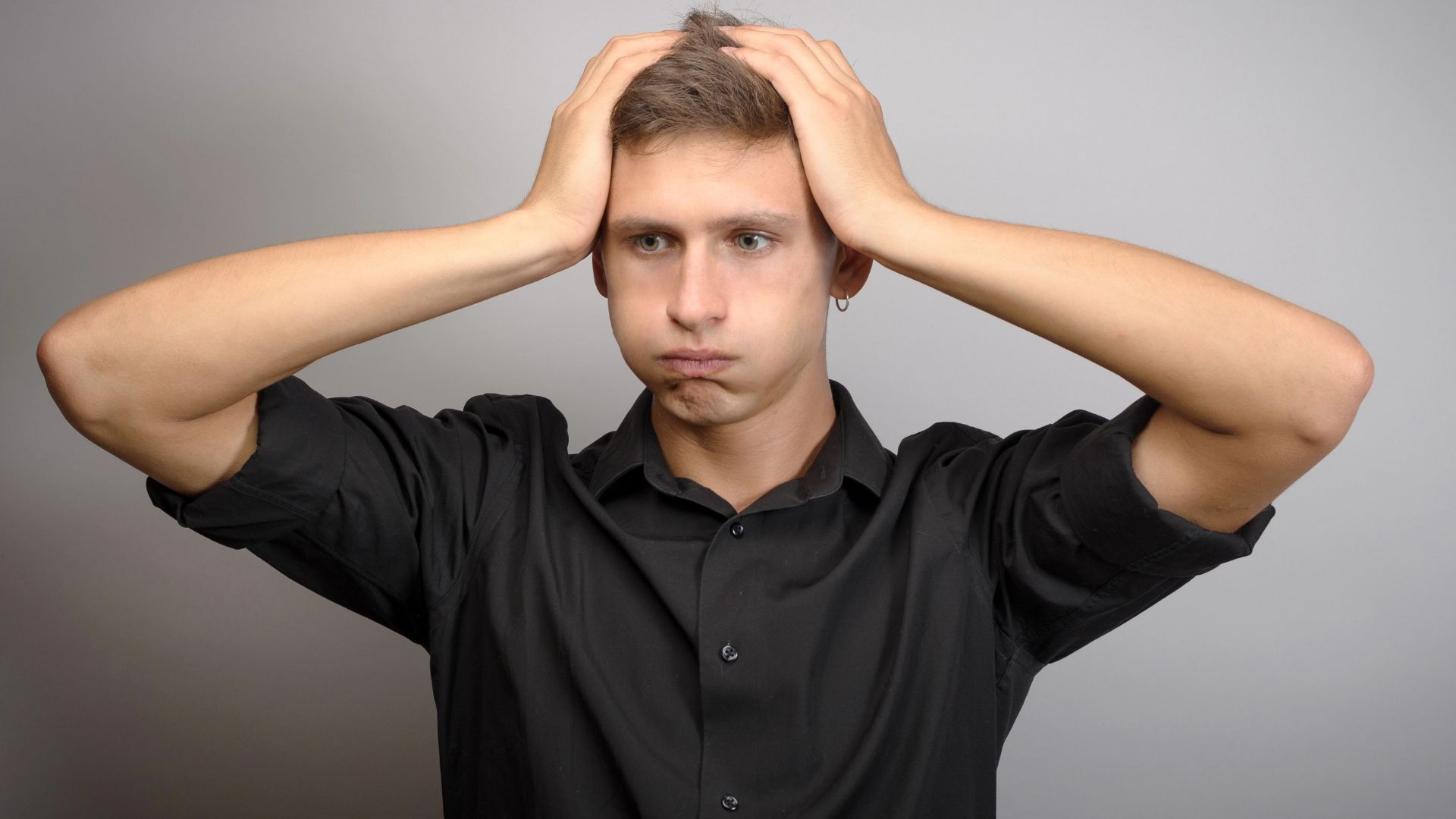
Young man in a black shirt with a distressed expression, holding his head, conveying feelings of anxiety or stress related to GHB addiction and withdrawal.

GHB is a central nervous system depressant that slows down brain activity, causing feelings of relaxation and drowsiness. While it has legitimate medical uses, such as treating narcolepsy, its abuse as a recreational drug can lead to serious health risks.

Crowd at a vibrant party with colorful lights and smoke, illustrating the euphoric atmosphere often associated with GHB use in social settings.

GHB is often used in party settings due to its ability to induce euphoria and a sense of relaxation. However, the drug is highly addictive, and its misuse in social situations is a significant concern for individuals’ health and safety.

Silhouette of a person sitting with head bowed, conveying feelings of despair and contemplation, in a dimly lit environment, relevant to themes of GHB addiction and dependency.

Repeated GHB use can lead to physical dependency, where the body becomes reliant on the drug to function normally. Over time, this can make it harder for individuals to stop using without experiencing intense withdrawal symptoms.”

GHB withdrawal can be dangerous. Get 24/7 medical support for a safe detox.

GHB Tolerance Development

As individuals use GHB more frequently, the brain starts to adapt, leading to a higher tolerance. This means that over time, more of the drug is needed to achieve the same effects, which increases the likelihood of overdose.

Risk of Overdose

With increased tolerance comes a higher risk of overdose. Individuals may unintentionally consume dangerous amounts of GHB as their body demands larger doses to feel the desired effects.

Withdrawal Symptoms

Once dependence is formed, stopping GHB use can result in severe withdrawal symptoms. These can range from anxiety and tremors to life-threatening complications like seizures, making professional detox a crucial part of recovery.

How Does GHB Addiction Develop?

GHB addiction happens when the brain adapts to frequent use. As tolerance builds, people need higher doses to achieve the same effects, increasing the risk of overdose. Once dependence forms, stopping GHB use can trigger severe withdrawal symptoms, making professional detox essential. Without proper treatment for GHB addiction, individuals may experience long-term health complications, including memory impairment and mood disorders.

Ready to break free from GHB addiction? Take the first step toward lasting recovery today.

GHB addiction can develop quickly, often without a person realizing how dependent they’ve become. What may start as occasional use can turn into a compulsive habit, leading to physical and psychological dependence.

As the body adapts to the drug, a person may need higher doses to achieve the same effects, increasing the risk of addiction and overdose.

Signs of GHB addiction may include:

Icon representing cravings and dependence related to GHB addiction, emphasizing the compulsive nature of substance use and the need for professional detox support.

GHB cravings

GHB addiction awareness graphic highlighting detox support and withdrawal management strategies.

Withdrawal symptoms

Icon representing hallucinations, featuring a silhouette of a human head with a spiral design in the brain, symbolizing mental effects associated with GHB addiction and withdrawal.

Loss of control

Iconic representation of a human head with a stress-related graphic, symbolizing anxiety and mental health challenges associated with GHB addiction and withdrawal.

Memory issues

Icon depicting a human head with two emoticons representing mood changes, illustrating the emotional fluctuations associated with GHB withdrawal symptoms.

Mood swings

Head silhouette with sleep symbols, representing sleep problems associated with GHB addiction and withdrawal symptoms.

Sleep problems

can you die from fentanyl withdrawal?, icon questions

Why seek professional help for GHB withdrawal?

GHB withdrawal can be intense and life-threatening, making medically supervised detox the safest option. Proper treatment is essential for overcoming addiction and starting the path to recovery.

Don’t detox alone. Find expert care to manage GHB withdrawal safely.

Withdrawal from GHB can be intense and potentially life-threatening, requiring medical supervision. Symptoms may vary in severity depending on the level of dependence and frequency of use.

Common GHB Withdrawal Symptoms:

mood swings, group

Anxiety & panic

Intense feelings of fear, nervousness, or unease, sometimes leading to panic attacks.

Icon representing insomnia with a distressed person and a pillow, symbolizing sleep difficulties related to GHB withdrawal symptoms.

Insomnia & sleep

Difficulty falling or staying asleep, leading to exhaustion and restlessness.

Icon representing high blood pressure, illustrating health concerns related to GHB withdrawal symptoms such as increased heart rate and elevated blood pressure.

Increased heart rate

Rapid heartbeat and elevated blood pressure, often due to withdrawal or stress.

Icon representing impaired coordination, illustrating symptoms related to GHB withdrawal and addiction recovery.

Tremors & stiffness

Shaking hands or body, along with muscle rigidity and discomfort.

Minimalistic figure with blue head and white body, surrounded by question marks, indicating uncertainty about GHB detox.

Hallucinations & paranoia

Seeing or hearing things that aren’t real, accompanied by extreme distrust or fear.

Icon representing cough symptoms, relevant to GHB withdrawal discussions emphasizing medical supervision and symptom management.

Nausea & vomiting

Stomach discomfort, leading to feelings of sickness and potential dehydration.

can you die from fentanyl withdrawal?, icon questions

How severe can GHB withdrawal be?

The severity of GHB withdrawal can range from extreme agitation to delirium. Due to these risks, medical detox is the safest way to manage withdrawal effectively.

Struggling with GHB dependence? Get the medical support you need to heal.

How to Detox from GHB Safely

GHB withdrawal can be severe, requiring medical supervision for a safe detox. A structured detox program provides 24/7 monitoring to manage symptoms and prevent complications.

Doctor in white coat writing notes during a consultation for GHB detox support, emphasizing medical supervision and care for addiction recovery.

A medical detox program provides round-the-clock care to manage withdrawal safely. Doctors may use benzodiazepines to reduce agitation, antihypertensive medications to control blood pressure, IV fluids to prevent dehydration, and psychiatric support to address anxiety and hallucinations.

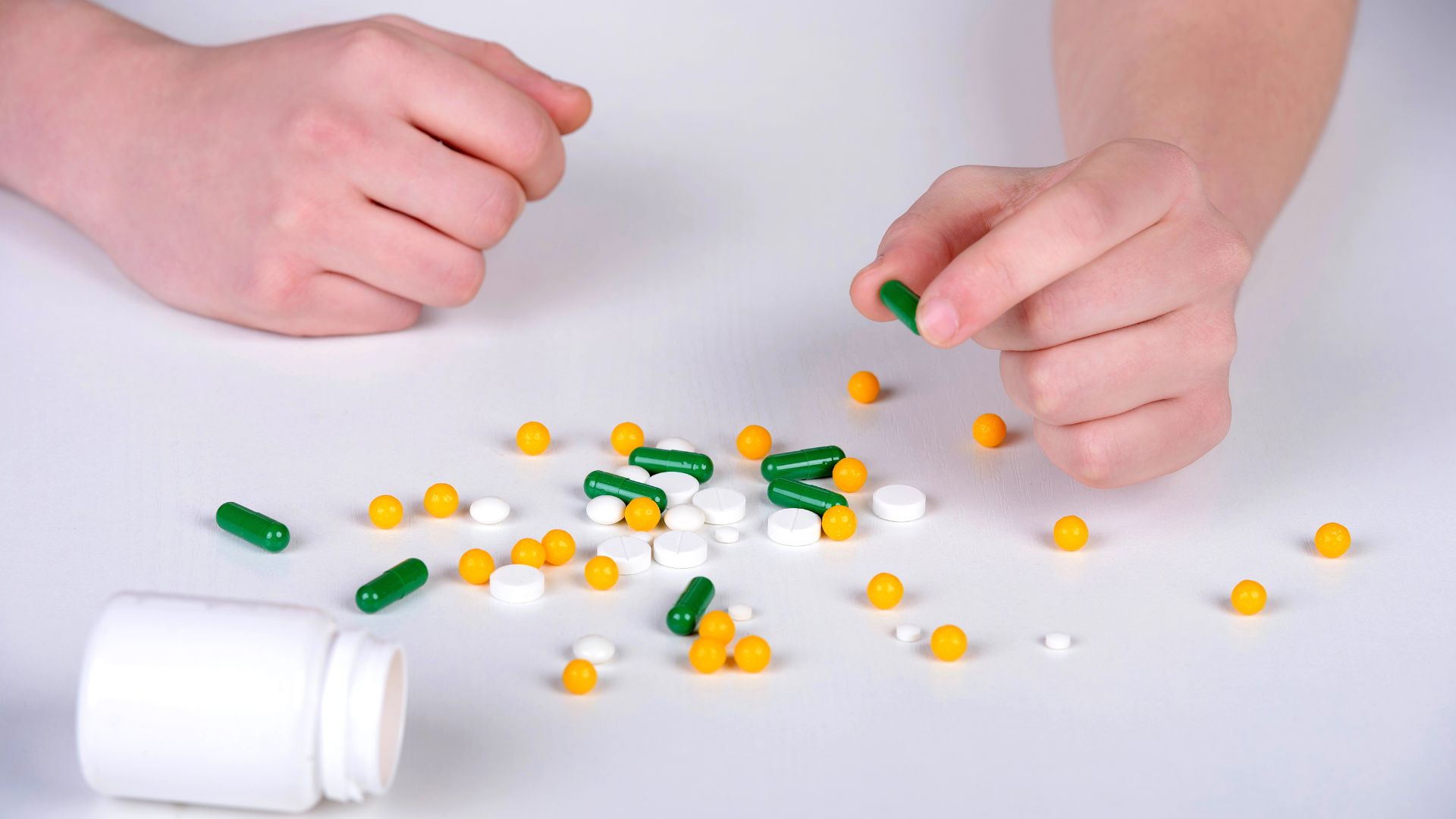
Hands holding green capsules over scattered yellow and white pills, symbolizing medication management in GHB detox processes.

Instead of quitting suddenly, some people gradually reduce their dose under medical guidance. This tapering method helps lessen withdrawal severity, but it must be done with a doctor’s oversight.

Doctor consulting with patient in a medical setting, emphasizing the importance of medically supervised detox for GHB withdrawal.

For individuals with severe GHB dependence, inpatient treatment provides structured care in a safe environment. This includes medical stabilization to manage withdrawal symptoms, behavioral therapy (such as cognitive behavioral therapy) to address the root causes of use, and relapse prevention planning to help maintain long-term recovery.

Group therapy session with diverse individuals discussing recovery, emphasizing support and communication in addiction treatment.

If withdrawal symptoms are mild, outpatient detox may be an option. This involves regular check-ins with medical professionals while staying at home.

Looking for a GHB detox center? Find trusted care near you today.

How Long Does It Take to Detox from GHB?

The detox timeline varies based on factors like how long and how often GHB was used, the dosage, overall health, and whether other substances were involved.

Typical Detox Timeline:

  • 0-6 hours: Early withdrawal symptoms start, including anxiety, tremors, sweating, and insomnia.
  • 24-72 hours: Symptoms peak, with the highest risk of severe effects like hallucinations, seizures, and agitation.
  • 3-14 days: Symptoms gradually improve, though cravings and sleep issues may continue.

Some people experience post-acute withdrawal symptoms (PAWS) that last for weeks or months, requiring ongoing care and support. Long-term recovery often involves therapy and lifestyle changes to prevent relapse.


Detox is only the first step in overcoming GHB addiction. Ongoing recovery strategies include:

  • Inpatient or outpatient treatment for continued therapy
  • Cognitive Behavioral Therapy (CBT) to develop healthy coping skills
  • Support groups like NA (Narcotics Anonymous) for peer support
  • Lifestyle changes including regular exercise, a balanced diet, and stress management techniques
  • A structured treatment program to address both physical and psychological dependence

Individuals who have undergone GHB drug detox may also benefit from therapy focusing on withdrawal from GHB and its long-term effects, such as sleep disturbances and cognitive issues. Since GHB withdrawal syndrome can be severe, ongoing medical and psychological support is essential. Recovery programs often include strategies to treat GHB addiction through behavioral therapy and support systems that help prevent relapse.


Withdrawal is tough, but you don’t have to face it alone. Professional GHB detox can make all the difference.

Finding a specialized detox center is crucial for a safe and successful recovery from GHB addiction. A quality treatment center offers:

  • 24/7 medical supervision to manage withdrawal symptoms
  • Medication-assisted treatment (MAT) to ease discomfort
  • Individual and group therapy to address the psychological aspects of addiction
  • Holistic approaches such as mindfulness, nutrition, and exercise to promote healing

Scottsdale Detox is a leading addiction treatment center in Arizona, offering personalized care for individuals struggling with GHB dependence. Their medically supervised detox program provides a safe and supportive environment for lasting recovery.

Learn more about GHB detox and recovery. Tune into our latest episode for expert insights.