
Does Fentanyl Make Your Teeth Fall Out?

Medical Providers:
Dr. Michael Vines, MD
Alex Spritzer, FNP, CARN-AP, PMHNP
Clinical Providers:
Natalie Foster, LPC-S, MS
Last Updated: January 10, 2026

Does Fentanyl Make Your Teeth Fall Out?

People usually learn about fentanyl through frightening headlines: overdoses, contaminated pills, families blindsided. But in real life, the damage isn’t always dramatic at first. It can show up in quieter ways—sleep and appetite getting messy, routines slipping, and health problems that don’t feel “urgent” until they’re hard to ignore. Dental health is one of those areas.

So, does fentanyl make your teeth fall out? Not in the cartoonish, instant way the internet sometimes suggests. Teeth typically loosen or break after months or years of untreated decay, gum disease, and enamel wear. Fentanyl can raise the odds of those problems because it affects saliva, hygiene habits, nutrition, and even jaw tension. This article breaks down what’s actually happening, what to watch for, and why dental issues often travel with opioid misuse.


Our Fentanyl Addiction Treatment Centers

Your journey towards sobriety starts here. Take action now.

Understanding Fentanyl and Its Effects

Fentanyl is a synthetic opioid used in controlled medical settings for severe pain—think post-surgery care or complex chronic pain cases. The bigger public health issue is illicit fentanyl, which is often mixed into counterfeit pills or other drugs. It’s potent enough that small dosing errors can be deadly, and it can pull people into dependence quickly.

Even when someone avoids an overdose, fentanyl still changes the rhythm of day-to-day life. It can blunt hunger cues, disrupt sleep, and leave people dehydrated or “checked out.” Those shifts matter because the mouth is heavily influenced by routine: drinking water, eating regularly, brushing, flossing, and actually showing up for dental care. When those basics slide, dental problems tend to follow.

Take the courageous step and live a life free from fentanyl addiction.

Does Fentanyl Make Your Teeth Fall Out?

There isn’t strong research proving fentanyl directly makes teeth fall out on its own. What’s more accurate is this: fentanyl can create conditions that make tooth loss more likely over the long term. Common pathways include:

1) Dry mouth (xerostomia)

Opioids can reduce saliva. With less saliva, bacteria build up faster, breath worsens, and enamel is more exposed to acid attacks. That’s one reason “fentanyl teeth” gets discussed—because dry mouth can quietly snowball into cavities and gum disease.

Practical tip: If someone can’t see a dentist right away, small steps help—sip water often, avoid sugary drinks, and use sugar-free gum or lozenges to stimulate saliva. It’s not a cure, but it can slow damage.

2) Skipped dental hygiene

When fentanyl use becomes frequent, routines often fall apart. Brushing and flossing turn into “later,” then “tomorrow,” then not at all. Plaque hardens into tartar, gums become inflamed, and periodontal disease starts doing damage under the surface.

Practical tip: If brushing twice daily feels unrealistic, start with once a day at a consistent time. That single anchor habit can be the difference between stability and a spiral.

3) Grinding and clenching

Some people grind while using, during withdrawal, or when sleep is poor. Bruxism can crack enamel, chip teeth, and inflame the jaw. Over time, that wear makes teeth weaker and more prone to breaking.

4) Nutrition and mouth changes

Opioid use can dull appetite and lead to “snack” eating—soft, sugary foods that cling to teeth. Lack of key nutrients also affects gum strength and healing. Combine that with mouth sores or irritation, and it becomes harder to keep up with good oral hygiene.
5) Delayed dental treatment
Many people avoid dentists because of fear, cost, or embarrassment. But untreated cavities and gum disease don’t pause. The longer it goes, the more likely you’re looking at extractions rather than simple repairs.

Let us help you break free. Start fentanyl detox today.

The Impact of Fentanyl Use on Dental Health and TeethFentanyl Teeth

“Fentanyl teeth” is not an official diagnosis. It’s a casual label people use when fentanyl use and dental issues overlap. You’ll hear similar slang like meth mouth, where severe decay and gum disease are common.

What matters clinically is the pattern: dry mouth, weakened tooth enamel, inflamed gums, mouth sores, and neglected dental care. A dentist isn’t looking for a trendy term—they’re looking for what’s happening in the gums, roots, and bone.

Does Fentanyl Make Your Teeth Fall Out

What Drugs Make Your Teeth Fall Out?

If you’re asking what drugs make your teeth fall out, the list is broader than fentanyl. Many substances are associated with drugs that cause dental problems, mainly because of dry mouth, lifestyle changes, and inflammation.

Common culprits include:

  • Methamphetamine (meth mouth): Severe dry mouth, cravings for sugary drinks, grinding, and poor dental hygiene accelerate decay.
  • Cocaine: Can irritate the gums, reduce blood flow to oral tissues, and worsen gum disease.
  • Other opioids: Similar to fentanyl—dry mouth, neglected hygiene, poor nutrition, and delayed dental care.

It’s also worth noting that some non-illicit medications can cause dry mouth as a side effect (certain antidepressants, antihistamines, and others). And tobacco and heavy alcohol use are major contributors to periodontal disease and tooth loss.

Say goodbye to the chaos of addiction Find hope and healing at Scottsdale Detox

Can A Dentist Tell If You Do Drugs?

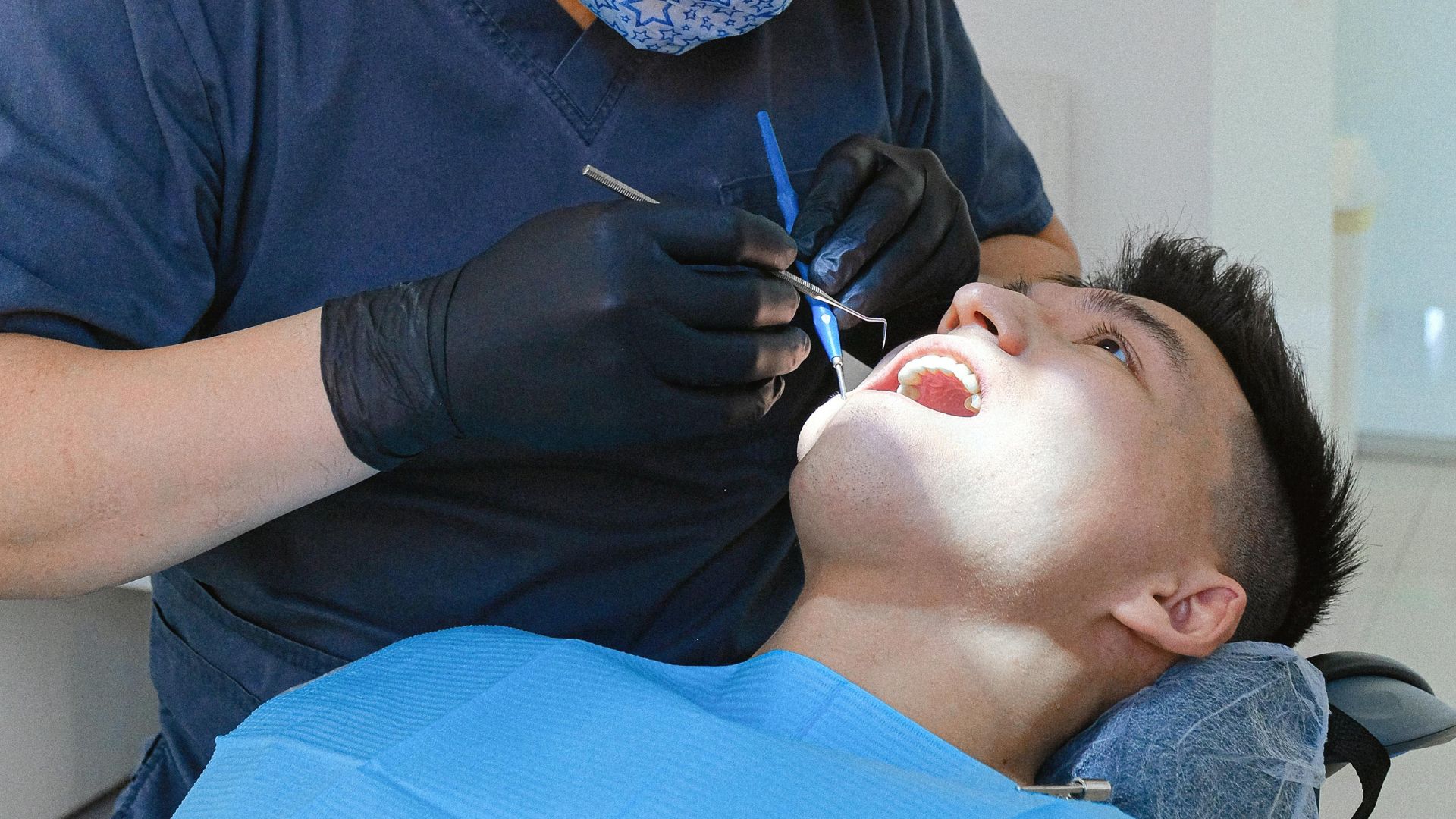
People often worry: can a dentist tell if you do drugs? A dentist can’t identify a specific drug the way a lab test can. But they can recognize patterns that are common with substance use and the dental problems it causes.

A dentist may notice:

  • Rapid or widespread tooth decay that doesn’t match typical hygiene habits
  • Gum disease that seems advanced for someone’s age
  • Enamel wear from clenching or grinding
  • Mouth sores, infections, or inflammation that keep returnin
  • Dry mouth signs (sticky tissues, irritated gums, increased cavities)

Most dental professionals aren’t trying to “catch” anyone. They’re trying to treat what’s in front of them and prevent it from getting worse. If you’re worried about judgment, it helps to be straightforward about symptoms (dry mouth, grinding, pain) even if you don’t want to discuss every detail of drug use.

Fentanyl Detox Near Me

If dental issues are piling up—broken teeth, bleeding gums, mouth sores, infections—it’s often a sign that substance use is affecting more than just the moment-to-moment. Dental treatment matters, but it’s hard to protect your mouth if fentanyl use is still driving the day.

If you’re searching for fentanyl detox near me in Arizona, Scottsdale Detox provides medically supervised detox and evidence-based support for people dealing with opioid and fentanyl dependence. Getting help early can reduce complications, stabilize daily routines, and make it easier to rebuild both health and dental care step by step.

Say goodbye to the chaos of addiction Find hope and healing at Scottsdale Detox