
Does Cocaine Cause Hair Loss? Signs, Causes, and Healing

Medical Providers:
Dr. Michael Vines, MD
Alex Spritzer, FNP, CARN-AP, PMHNP
Clinical Providers:
Natalie Foster, LPC-S, MS
Last Updated: February 2, 2026

Does Cocaine Cause Hair Loss?

Hair loss is one of those changes people don’t expect when they think about drug use. Most assume cocaine mainly affects the brain or heart, not something as visible as hair. Yet many individuals notice thinning hair, excessive shedding, or scalp issues while using stimulants, which naturally raises concern.

So, does cocaine cause hair loss? While cocaine is not classified as a drug that directly attacks hair follicles, its long-term effects on circulation, nutrition, stress hormones, and overall health can quietly disrupt the body’s ability to maintain healthy hair. Understanding how this happens can help clarify what’s reversible and what needs medical attention.


Our Cocaine Treatment Programs

Start your healing journey now. Seek cocaine treatment today!

Is Cocaine and Hair Loss Connected?

Yes, cocaine and hair loss are connected, though not always in ways that are immediately obvious. Hair growth is considered a “non-essential” function when the body is under stress. When cocaine repeatedly activates the nervous system, the body prioritizes survival rather than regeneration.

Chronic stress caused by cocaine abuse raises cortisol levels. Elevated cortisol can disrupt the natural hair growth cycle, pushing hair into the shedding phase earlier than normal. This pattern is often seen as diffuse hair thinning rather than bald patches.

Lifestyle factors tied to substance use disorder also contribute. Poor sleep, dehydration, and inconsistent self-care all affect scalp health. Over time, these combined stressors increase the risk of visible hair loss, even in individuals without a genetic predisposition.

Side Effects of Cocaine in Your Hair

The side effects of cocaine show up on the scalp in subtle but progressive ways. Reduced circulation weakens hair follicles slowly, which is why hair changes often go unnoticed at first. Hair may feel finer, lose shine, or break more easily.

Nutritional deficiencies play a major role. When the body lacks protein, iron, or B vitamins, hair strands become fragile, and growth slows. Cocaine also dehydrates the body, leaving hair dry and prone to damage.

Some people develop scalp irritation or inflammation linked to stimulant use, which can further damage hair follicles. Others experience impulse-related behaviors, such as excessive scratching or hair pulling, especially during binge drinking or withdrawal periods. Together, these effects explain why cocaine effects on hair are often cumulative rather than sudden.

Break free from cocaine. Click to begin your treatment path.

Does Quitting Cocaine Regain Your Hair Loss?

Quitting cocaine removes the ongoing stressors that interfere with hair growth, which allows the body to begin repairing itself. Blood vessels gradually return to normal function, improving circulation to the scalp. Appetite and nutrient absorption also improve with sustained sobriety.

In many cases, hair shedding slows within a few months of quitting cocaine. Regrowth depends on how long the follicles were stressed and whether permanent damage occurred. Hair follicles that were weakened—but not destroyed—often resume normal growth over time.

However, individuals with prolonged cocaine abuse or additional health conditions may need medical support. Addressing cocaine withdrawal symptoms, restoring nutrition, and managing stress through therapy can all improve recovery outcomes.

How to Prevent Hair Loss?

Preventing further hair loss involves supporting the body as a whole, not just treating the hair itself. Consistent nutrition is key. A balanced diet with adequate protein, iron, zinc, and vitamins supports follicle repair and strength.

Gentle hair care matters more during recovery. Avoid tight hairstyles, harsh chemicals, and frequent heat styling while hair is fragile. Staying hydrated also improves scalp health and hair elasticity.

Stress management is equally important. Techniques learned through cognitive behavioral therapy (CBT), mindfulness, or regular physical activity help regulate cortisol levels that affect hair growth. Small habits, practiced consistently, make a noticeable difference over time.

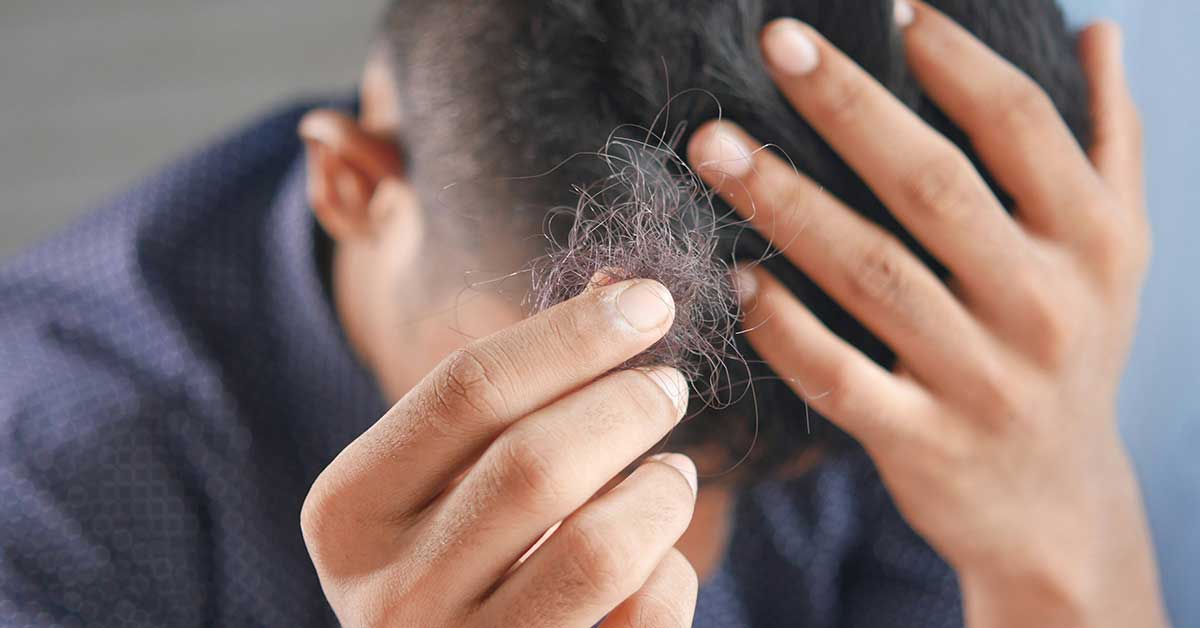
man experiencing hair loss (Does cocaine cause hair loss)

Your recovery starts here. Take the first step in cocaine addiction treatment.

Cocaine Detox Near Me

For many people, the first and most important step toward cocaine addiction recovery is cocaine detox. Cocaine places intense strain on the nervous system, and stopping suddenly can trigger uncomfortable cocaine withdrawal symptoms. A structured detox setting helps manage these effects safely.

At Scottsdale Detox, care is centered on medically supervised detox rather than long-term programming alone. This approach allows the body to stabilize while trained staff monitor symptoms, hydration, nutrition, and overall comfort. Detox support also helps reduce complications that can arise when cocaine use has been ongoing or severe.